Introduction
Protein is one of the main nutrients required for muscle growth and body repair. The human body uses protein to build and maintain muscles, tissues, enzymes, and hormones. Without enough protein in the daily diet, muscle development becomes slow and recovery after physical activity becomes weak.
Protein rich meals are important for people who do physical work, exercise, sports, or strength training. They are also important for general health because muscles are involved in movement, posture, and daily activity.
This article explains how protein rich meals support muscle growth, what foods provide protein, how the body uses protein, and how to build a simple meal plan for daily life.
Understanding Muscle Growth
Muscle growth happens when muscle fibers are repaired and rebuilt after physical activity. When a person exercises or uses muscles, small damage occurs in muscle tissue. The body repairs this damage using protein.
This process is called muscle protein synthesis. For this process to work properly, the body needs enough protein from food.
Muscle growth depends on:
- Protein intake
- Physical activity
- Rest and recovery
- Overall diet quality
Without proper protein intake, muscle recovery becomes slow.
Role of Protein in the Body
Protein is made up of amino acids. These amino acids are building blocks of the body. They are used in many body functions.
Protein supports:
- Muscle repair
- Muscle growth
- Enzyme production
- Hormone function
- Immune system support
- Tissue maintenance
The body does not store protein in the same way it stores fat or carbohydrates. This is why regular protein intake is required through meals.
Why Protein Rich Meals Are Important
Protein rich meals provide a steady supply of amino acids. These meals help maintain muscle mass and support recovery after physical activity.
Protein rich meals help:
- Repair muscle tissue
- Improve strength
- Support body recovery
- Maintain lean body mass
- Reduce muscle breakdown
People who do not consume enough protein may experience weakness or reduced physical performance over time.
Protein and Muscle Protein Synthesis
Muscle protein synthesis is the process of building new muscle tissue. This process requires amino acids from dietary protein.
When protein intake is balanced with physical activity, muscle growth becomes more effective.
If protein intake is low, the body may break down muscle tissue to meet its needs.
Animal Based Protein Sources
Animal based foods contain complete protein, which means they include all essential amino acids.
Common animal protein sources include:
- Eggs
- Chicken
- Fish
- Milk
- Yogurt
- Beef
These foods are widely used in meal plans for muscle growth because they provide high quality protein.
Plant Based Protein Sources
Plant based foods also provide protein, but some may lack certain amino acids. Combining different plant foods helps improve protein quality.
Plant protein sources include:
- Lentils
- Beans
- Chickpeas
- Soy products
- Nuts
- Seeds
Plant based diets can support muscle growth when protein intake is planned properly.
Eggs in Muscle Growth Diet
Eggs are a common protein source used in many diets. They contain high quality protein and essential nutrients.
Eggs support muscle growth because they provide amino acids needed for repair and development.
They can be included in meals such as:
- Breakfast meals
- Sandwiches
- Boiled egg snacks
- Rice based meals
Eggs are easy to prepare and widely available.
Chicken and Lean Protein Meals
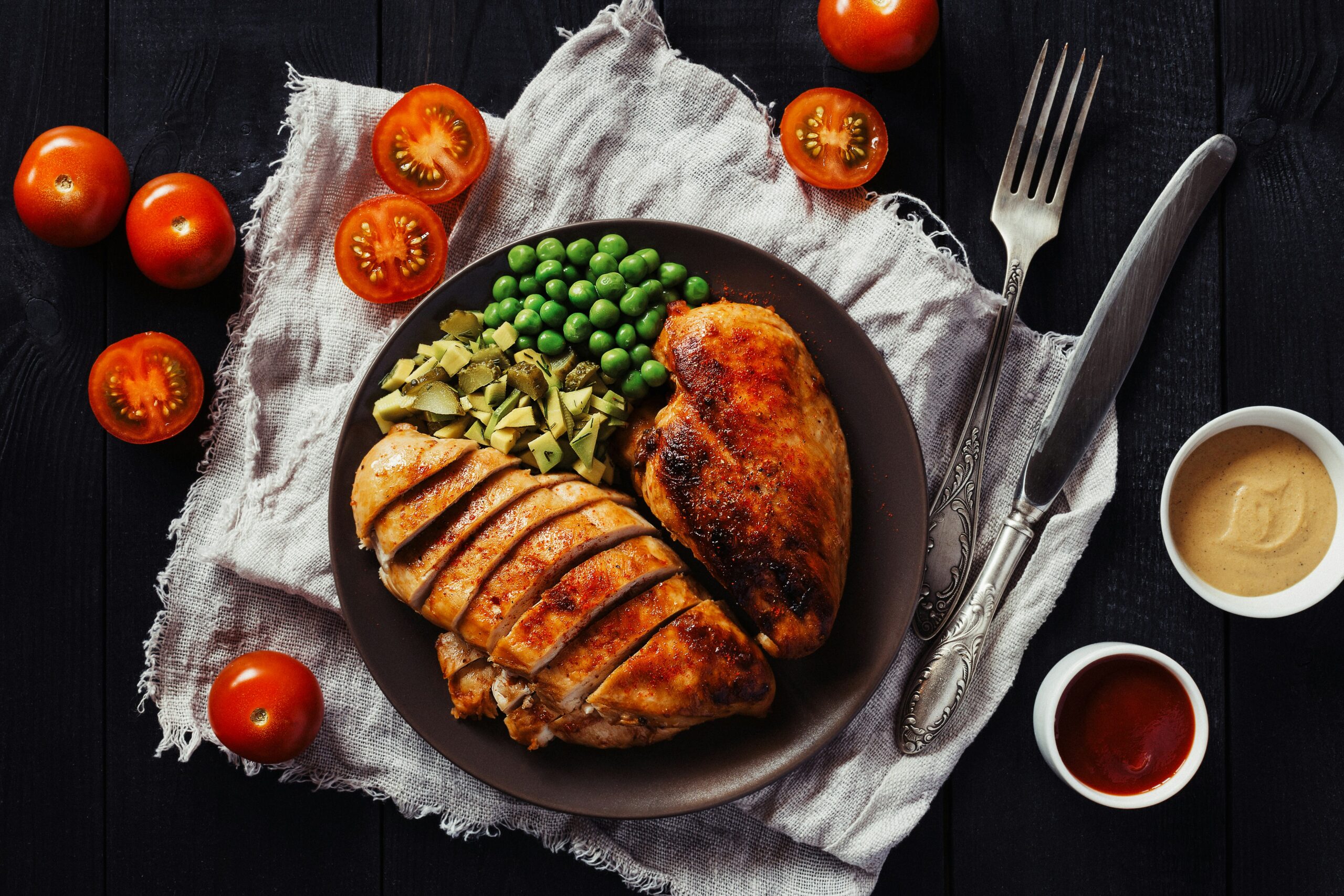
Chicken is a common source of lean protein. It contains high protein content with lower fat levels compared to some other meats.
Chicken meals support muscle growth and recovery after exercise.
Common chicken meal options include:
- Grilled chicken with rice
- Chicken with vegetables
- Chicken sandwiches
- Chicken salads
Chicken is often used in fitness meal plans.
Fish and Muscle Development
Fish contains protein and omega-3 fatty acids. These nutrients support muscle recovery and body function.
Fish supports muscle growth and also helps maintain heart health.
Common fish types include:
- Salmon
- Tuna
- Sardines
Fish can be prepared through grilling, boiling, or baking.
Dairy Products and Protein Intake
Dairy products provide protein and calcium. Calcium supports bone health, which is important for muscle support.
Dairy foods include:
- Milk
- Yogurt
- Cheese
These foods are often included in breakfast or snack meals.
Lentils and Plant Protein Meals
Lentils are a major plant based protein source. They are commonly used in many diets due to availability and nutrition value.
Lentils support muscle growth and provide fiber, which helps digestion.
They can be eaten with:
- Rice
- Bread
- Vegetables
Lentils are often part of daily meals in many regions.
Beans and Chickpeas for Protein
Beans and chickpeas are plant based foods that provide protein and carbohydrates.
They support energy and muscle maintenance.
Common meals include:
- Chickpea curry
- Bean salad
- Mixed vegetable dishes
These foods are suitable for vegetarian diets.
Nuts and Seeds in Protein Diet
Nuts and seeds contain protein, healthy fats, and minerals.
Examples include:
- Almonds
- Walnuts
- Chia seeds
- Pumpkin seeds
They are often used as snacks or added to meals.
Nuts support energy and muscle recovery.
Protein Timing and Muscle Growth
Protein timing refers to when protein is consumed during the day. Spreading protein intake across meals supports better muscle protein synthesis.
Common meal timing includes:
- Breakfast protein
- Lunch protein
- Dinner protein
- Post exercise meals
Consistent intake is more effective than one large meal.
Protein After Exercise
After physical activity, the body needs protein for recovery. Muscle fibers repair during rest, and protein supports this process.
Post exercise meals may include:
- Eggs
- Chicken
- Yogurt
- Protein shakes
- Lentils
This helps improve recovery and muscle development.
Daily Protein Requirements
Protein needs depend on age, body weight, and activity level.
People with higher physical activity may need more protein compared to those with low activity.
Balanced intake supports muscle maintenance and overall health.
Protein and Energy Balance
Protein also supports energy balance. While carbohydrates provide quick energy, protein supports long-term recovery and maintenance.
A balanced diet includes:
- Protein
- Carbohydrates
- Fats
This balance supports muscle growth and daily performance.
Common Mistakes in Protein Intake
Some common mistakes include:
- Skipping protein meals
- Relying only on supplements
- Low variety in protein sources
- Poor meal timing
- Overeating without balance
Proper planning helps avoid these issues.
Protein Supplements and Natural Foods
Protein supplements are used by some people for convenience. However, natural foods provide additional nutrients like vitamins and minerals.
Natural protein sources are preferred for long-term diet planning.
Supplements can be used when diet alone is not enough.
Muscle Recovery and Rest
Muscle growth does not happen only during exercise. It happens during rest and recovery.
Protein supports recovery, but rest is also required.
Sleep and recovery time help muscles rebuild properly.
Protein Rich Meal Planning
A simple daily meal plan for protein intake may include:
- Breakfast: eggs and milk
- Lunch: chicken or lentils with rice
- Snack: nuts or yogurt
- Dinner: fish or beans with vegetables
This structure supports consistent protein intake.
Protein for Different Age Groups
Protein needs vary by age.
Children
Support growth and development
Adults
Support muscle maintenance and activity
Older Adults
Support muscle strength and reduce muscle loss
Protein and Physical Activity
People who exercise regularly need more protein. Physical activity increases muscle breakdown, so protein helps repair and rebuild muscle tissue.
Sports, gym training, and physical work all increase protein requirements.
Plant and Animal Protein Balance
Combining plant and animal protein sources helps improve nutrient intake.
Example combinations:
- Rice and lentils
- Chicken and vegetables
- Yogurt with nuts
- Beans with grains
This improves amino acid intake.
Long Term Benefits of Protein Rich Meals
Regular protein intake supports:
- Muscle maintenance
- Strength improvement
- Body recovery
- Energy stability
- Healthy body composition
These benefits improve long-term physical performance.
Conclusion
Protein rich meals play an important role in muscle growth and body maintenance. Protein provides amino acids required for muscle repair, strength development, and recovery after activity.
Foods like eggs, chicken, fish, lentils, beans, nuts, and dairy products support daily protein needs. A balanced diet with proper protein timing helps improve muscle performance and overall body function.
Consistent protein intake combined with physical activity and rest supports long-term muscle growth and body wellness.